-compressed.jpg)
Daily, snackable writings to spur changes in thinking.
Building a blueprint for a better brain by tinkering with the code.
subscribe
rss Feeds
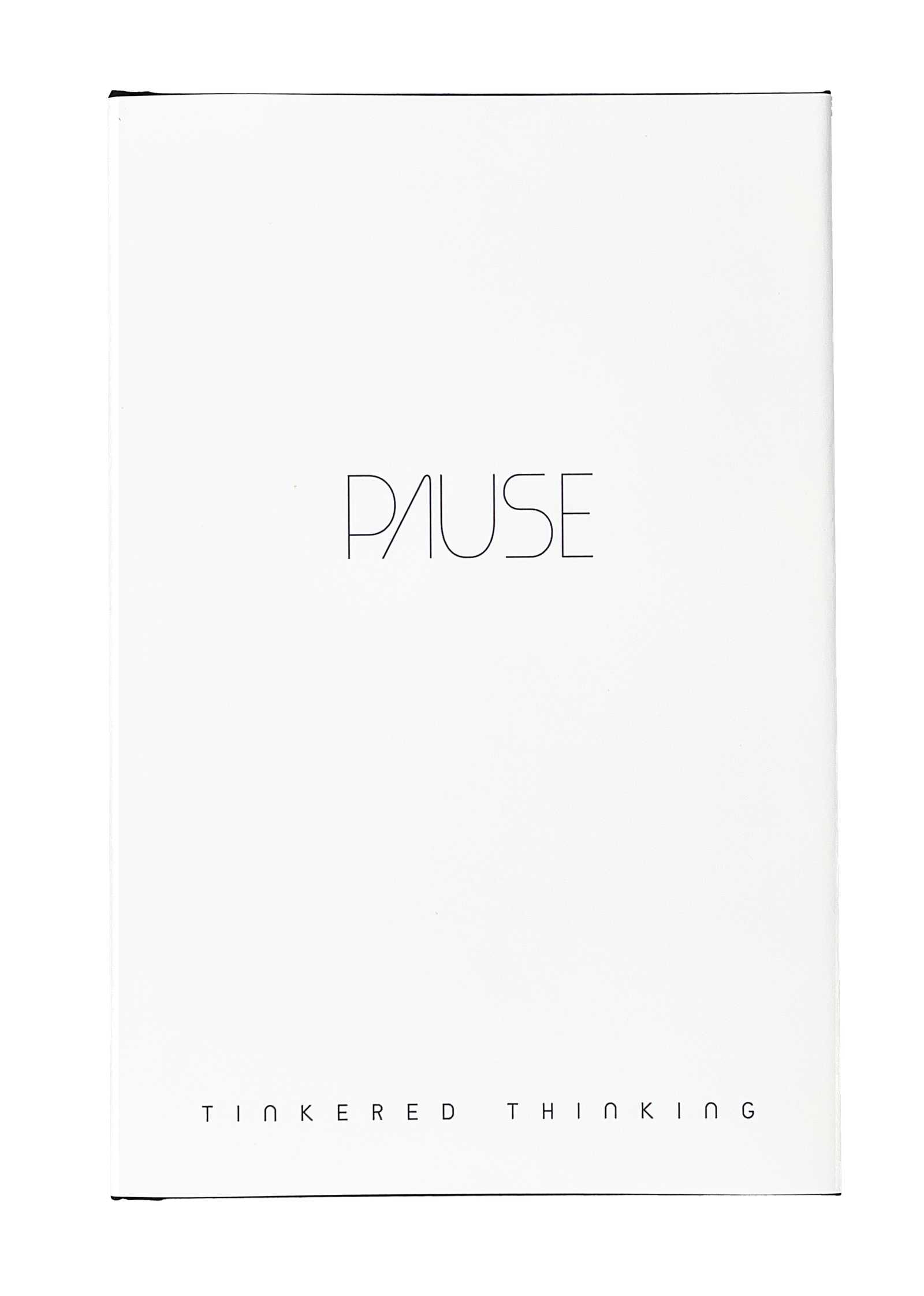
The first non-fiction book from Tinkered Thinking. PAUSE is a short book on meditation. Now available on the Tinkered Thinking Bookstore.
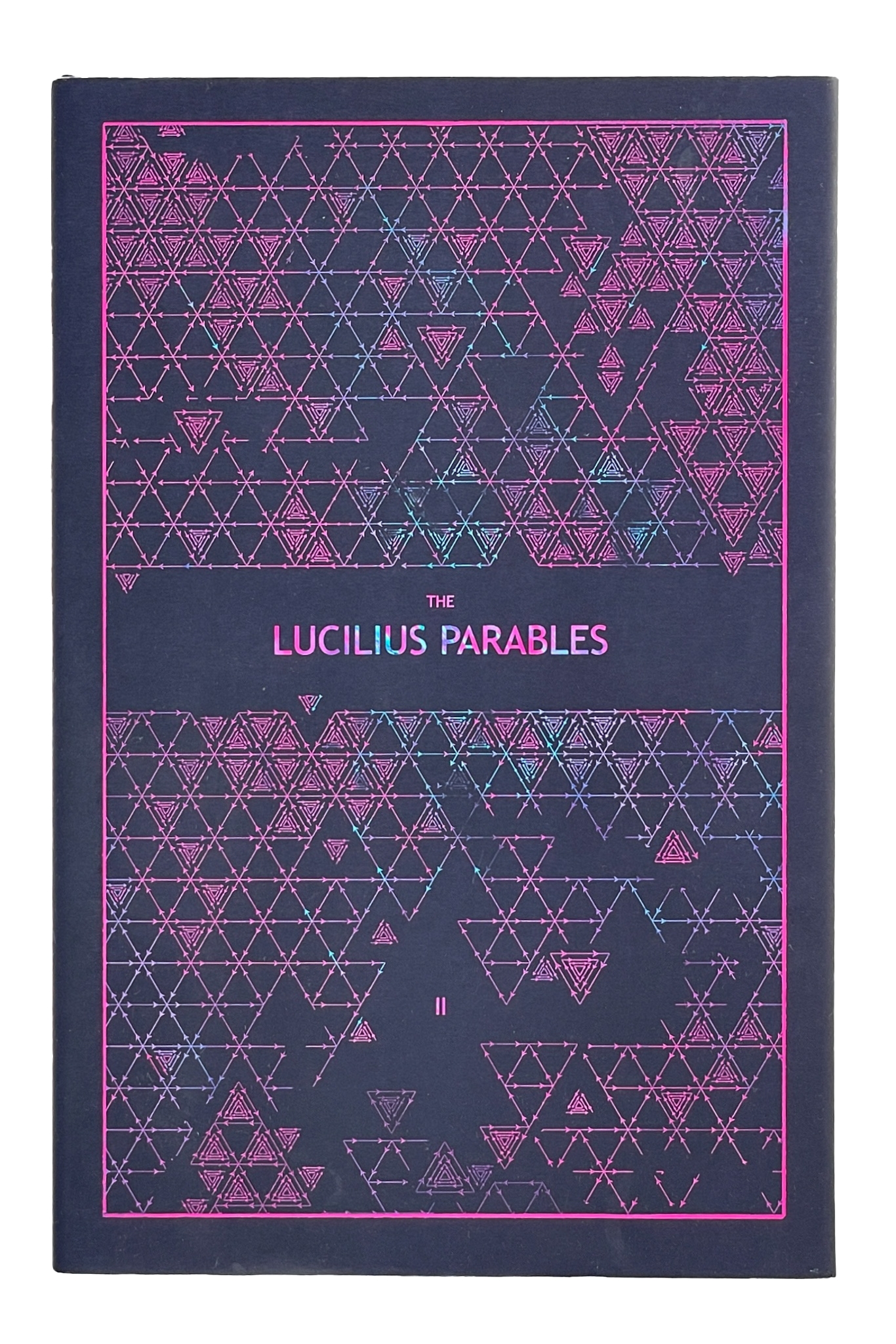
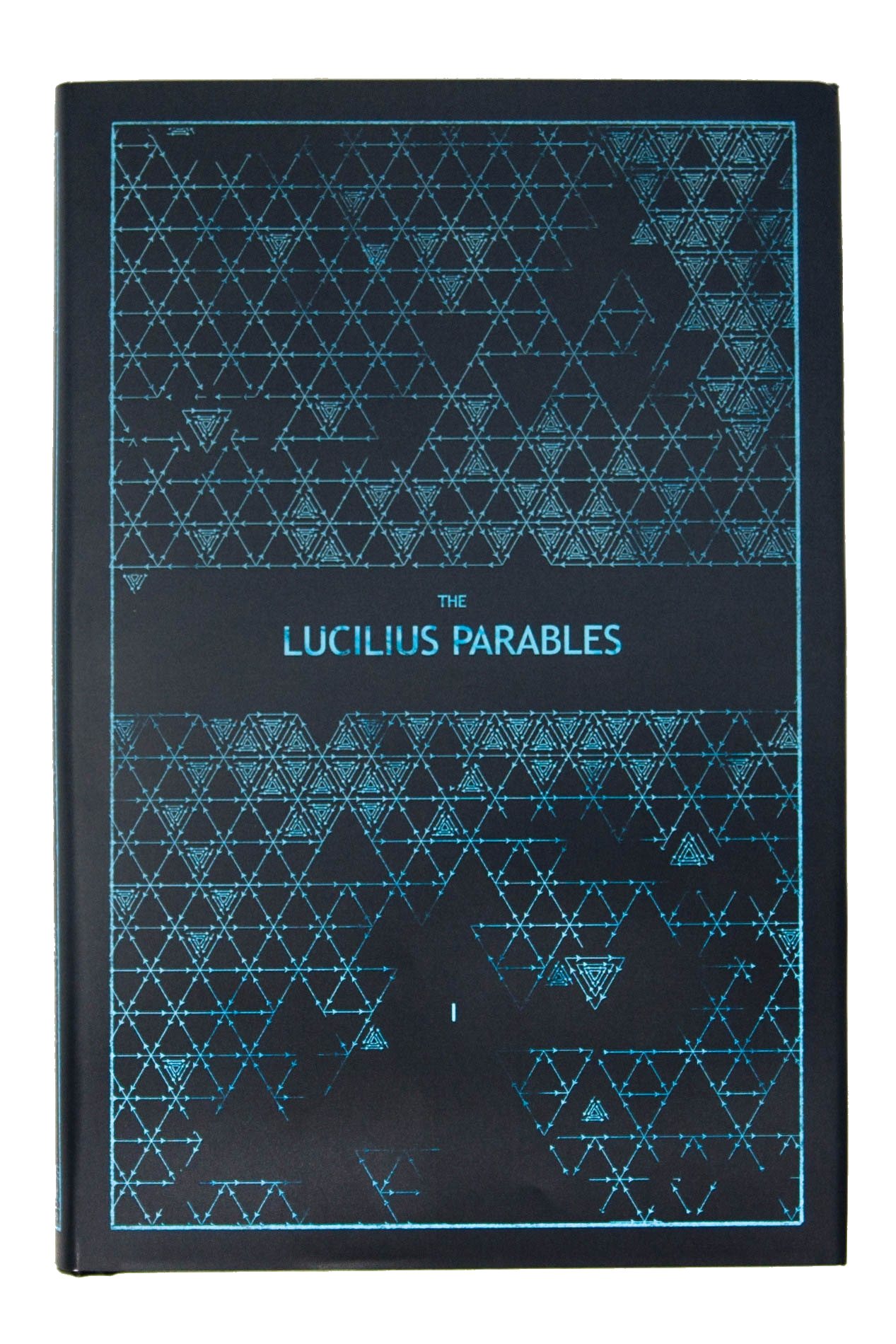
The SECOND illustrated book from Tinkered Thinking is now available!
SPIN CHESS
A Chess app from Tinkered Thinking featuring a variant of chess that bridges all skill levels!
REPAUSE
A meditation app is forthcoming. Stay Tuned.



PAUSE
August 26th, 2026
The first non-fiction book from Tinkered Thinking is now available. . .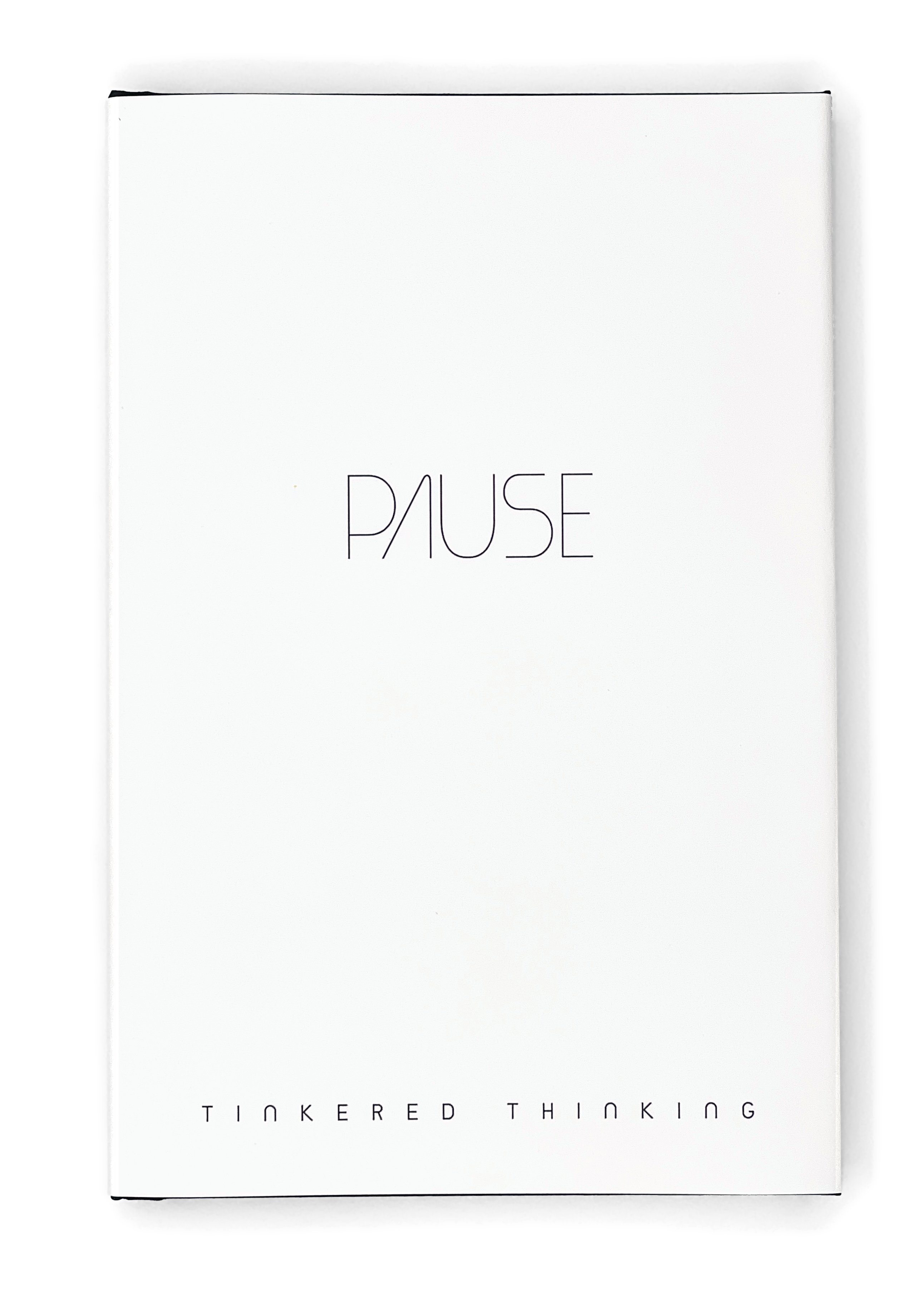
PAUSE is a short book on meditation. Over the years I've written around forty essays on meditation while I racked up years of practice. A few years ago, I decided to make a meditation app based on my experience.
I sampled all of the meditation apps and after a few years of figuring it out, I realized that all the apps I'd tried glossed over or completely failed to address some very basic and fundamental aspects of what getting started with meditation actually entails. I'm talking about very simple stuff, like... why do meditators sit in that unusual way? No one actually ever told me, it just occurred to me after doing it thousands of times: it's much easier to breathe in this position. Or, just the mechanics of habit. How to start a habit. What to expect. When does it get easier? How does routine fit in to habit? How does habit fit into routine?
So I set about building a meditation app. And it's basically finished. I just have to polish the audio files. However, while I was in the process of converting forty essays to a month of daily lessons, an idea occurred to me. I thought: how nice would it be to have a slim little book that could be a stand alone text on meditation? Or it could be a companion to the app. Well, why not I thought. But at the time I was busy, and I didn't exactly have the time to reread 40 essays and somehow crunch that through my mind and have a cohesive book come out the other side. I was supposed to be busy finishing a meditation app, on top of about a million other things.
It was time for an experiment. And before you read on, I should be very clear about how tight I was about the guidelines on this experiment. I wanted every sentence in the book to be written by me. So what did I do? I gave AI the entirety of my forty essays. At first I did this just to get an opinion. Hey, is there enough here to create 30 daily lesson scripts from? Hey, could this be a . . . book? The answer to both of those questions was: yes, definitely. But remember, I didn't want AI to write the book or the lessons scripts for me. I wanted it to be my ideas, my phrasing, my language. I told all this to the AI. See, unlike the insecure squawkers who will go bug-eyed over such a propositionI don't have the slightest shade of worry about actually writing a book. But I'd be stupid to turn down a little help when it comes to organizing my own thoughts. And plus, I was curious. In some sense it was a test. I am constantly testing AI, pushing it to its limits to see what it can do well, and where that line starts to degrade. We discussed the format of the book, the length, the thematic parts, how to filter concepts and essays into each thematic part, and how the entire arc of the book should progress. I wanted thirty chapters so that a person could read one short chapter per day and then do a session of meditation. I also wrote the introduction on a whim to set the pace of the book. Then after all of that discussion and brainstorming and seeding it with all of my original writing, I told it to take it away.
Well the damn thing did a great job. I was very explicit: Use my sentences. Do not do any original writing of your own. You may only make small grammatical changes to hook ideas and original phrases together. I printed the whole thing off, and as per my instructions, it gave me the source for everything in it. Which essay this paragraph came from, which app lesson that paragraph was derived from. I traced a few of them back to their original source and I was shocked at how well it accomplished the task. I printed the whole thing out and read it. It was good, it was really good. You have to realize that I was a bit skeptical and flustered. I noticed one paragraph that had a suspicious number of em-dashes. I went back to the AI model and criticized it. Em-dashes are a sign of AI writing, so clearly this was a mistake. Well the damn thing told me it was quoted verbatim from one of the essays and it had used the exact number of em-dashes that I had originally used — clearly, I am fond of the em-dash. I was humbled, but in a way that felt reassuring.
Most importantly the book reads exactly as I'd write it. The experience was a bit bizarre because I also had an analysis done to find out exactly how much of the text was not explicitly quoted from original sources, and the number was about 2%. Mindboggling that it took such little "extra" writing simply to string together so many ideas over such a length. So over the course of about 158 pages, less than 3 were "written" by AI, and those 3 are cut up into tiny pieces and sprinkled across the 158 pages. The bizarre / eerie part isn't the fact that AI stitched together everything I wrote — No. It's that such a coherent BOOK was hiding in a few dozen essays.
Now, another thing that's worth noting is that AI also flagged holes in the manuscript that required fresh writing. I ended up doing about three chapters worth of that. One chapter it had flagged as missing content from a thematic standpoint, and a few paragraphs throughout the rest of the book. And then I naturally ended up adding an epilogue of sorts and a postscript.
I could not be happier with how this book turned out. It started off as an experiment and a "oh that would be cool to have" and I dare say, of the three books now available on the website — despite the other two being fiction — it's probably the best book so far. I'm soft launching it ahead of the app simply because it's ready.
If you have any interest in meditation, I think you'll love it.