-compressed.jpg)
Daily, snackable writings to spur changes in thinking.
Building a blueprint for a better brain by tinkering with the code.
subscribe
rss Feeds
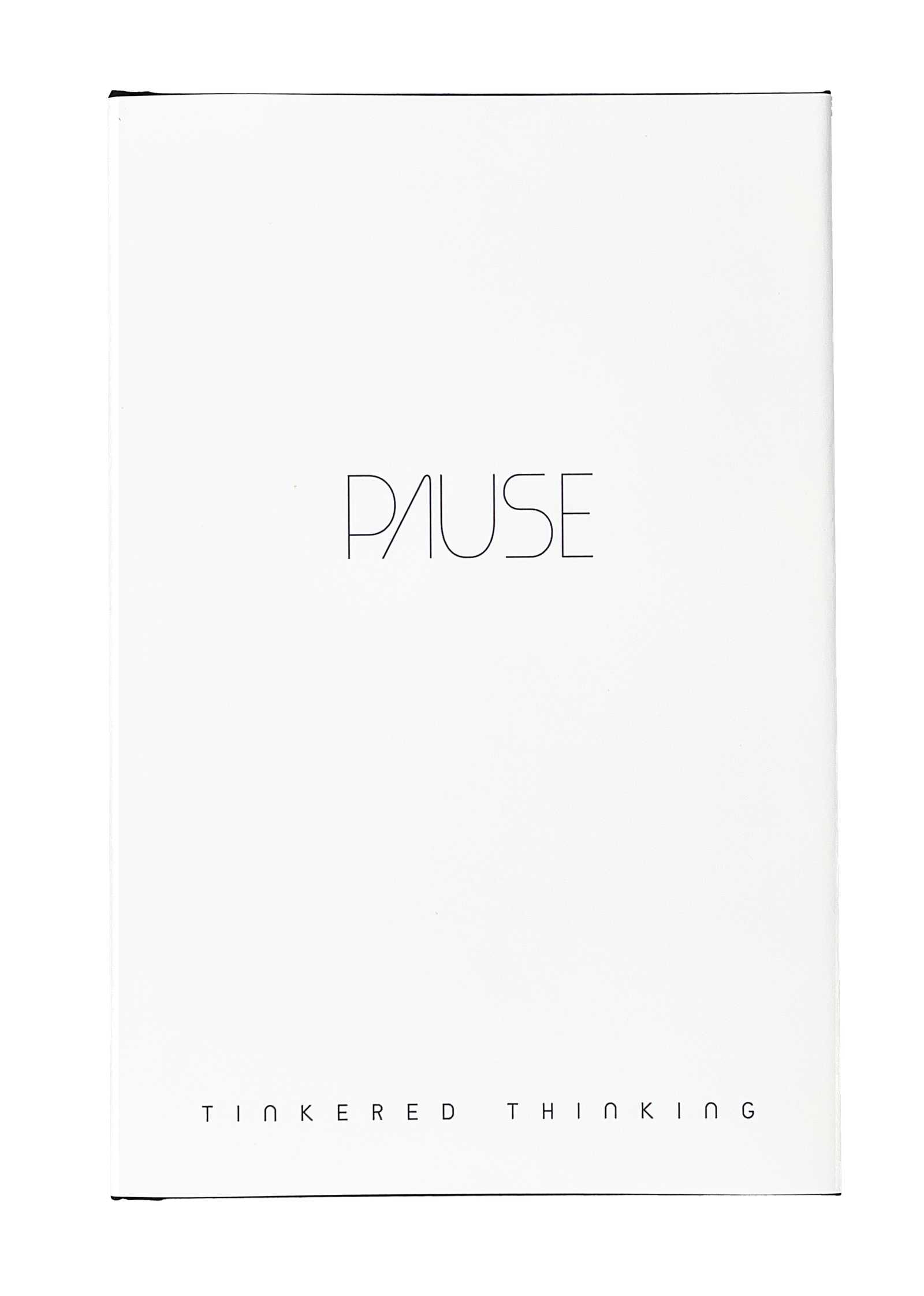
The first non-fiction book from Tinkered Thinking. PAUSE is a short book on meditation. Now available on the Tinkered Thinking Bookstore.
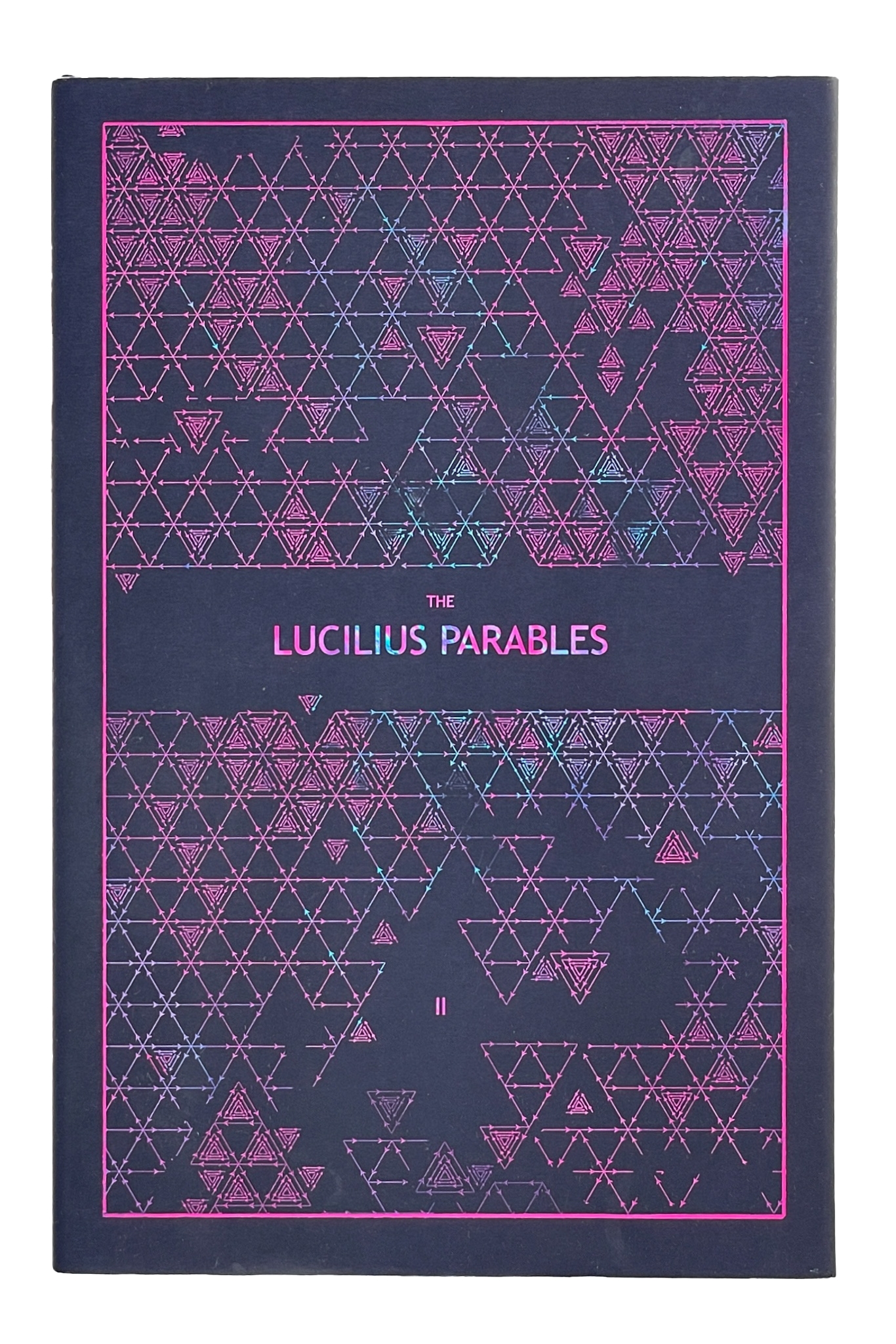
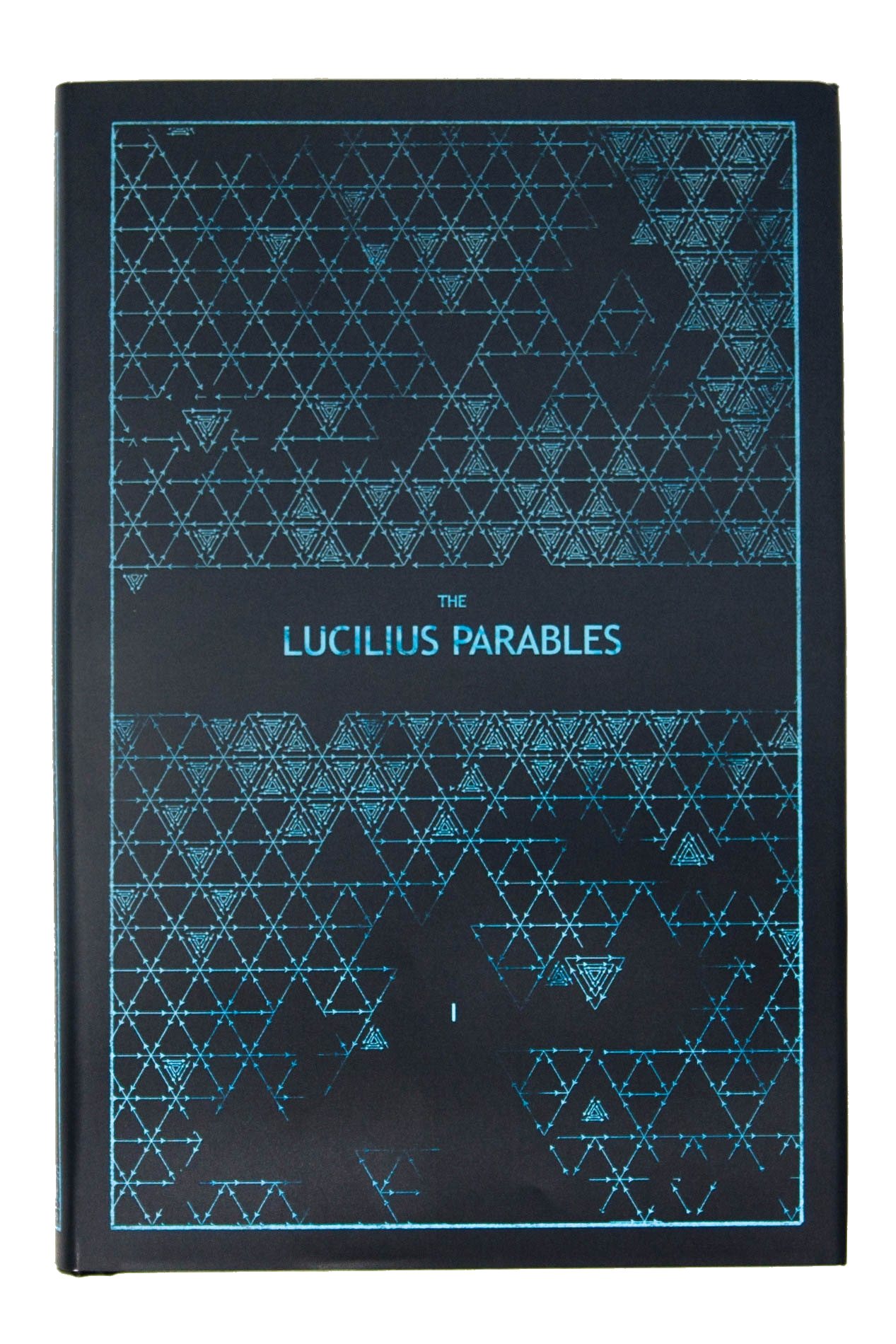
The SECOND illustrated book from Tinkered Thinking is now available!
SPIN CHESS
A Chess app from Tinkered Thinking featuring a variant of chess that bridges all skill levels!
REPAUSE
A meditation app is forthcoming. Stay Tuned.


WHEN TO REMEMBER
July 11th, 2018
This episode references Episode 76: Unlikely Mentors. If you'd like to fully understand the reference, please check out that episode.
Everything changes. Is this a good thing to remember while having a really good time? That everything changes, and that the good time will not last? Probably not. It can instantly become a self-fulfilling prophecy and spoil a good time.
When is a better time to remember that nothing stays the same and that everything changes? How about during a bad time? When things are looking bleak, when things feel desolate and hopeless. Does that linguistic pair unzip it’s chameleon suit and step out as a single bright ray of hopeful sunshine?
Interesting how two words can seem like the most unwanted party guest in one instance and like a savior in another.
If we had to categorize the concept that “Everything Changes” into one of the categories of Good & Bad, where would we place it?
The fascinating part of this exercise and asking ourselves this question is that we realize the answer is dependent on our own current perspective. And yet it’s probably fair to say that “everything Changes” is one of the few iron clad laws of living. As a fact of life, it does not change.
Given different circumstances: having a good time and being down in the dumps, it seems at first glance that remembering this rule of life is more useful in one circumstance rather than the other. When things are not going well, remembering that it’ll change, as all things do, can be a comforting start and may even spur actions to help change the situation.
But is it so bad to remember that things change while having a good time? At first glance it seems pessimistic, however this shifty little fact might be a coin with two shiny sides.
To illustrate, it’s fun to think of flowers.
Compare: would you rather receive a bouquet of freshly cut flowers? Or a bunch of plastic ones that will last forever?
Given the nature of all the language that surrounds romance, it makes a lot more sense to give plastic ones. Hallmark cards use the word ‘forever’ ad nauseum. Plastic flowers make a lot more sense given this indication in the way we like to speak about those times, people, experiences we treasure.
The contradiction shows that things are a little more nuanced.
We prefer fresh cut flowers because they only last a short while. The word ‘fresh’ means that it will soon decay. And it’s this juxtaposition that helps us appreciate what is happening here and now. Like a firework lighting up the night sky for just a few moments.
The utility of these things is not to remind us that things will change, and potentially end.
Fresh cut roses and fireworks work well with us because they jolt us, and bring us back to the present.
They are mere reminders of what is going on all the time: that we are alive.
One of the gifts of this little fact, is that we can develop the ability to choose the perspective we wish to have. By selecting what influences our thoughts, whether it be a facebook feed or a meditation app. By training thoughts, whether that be through prayer or affirmations or by putting in no effort at all. or by using the body to influence the mind with exercise, dance, or some martial art, or by doing nothing at all and staying on couch. Everything has an influence on the perspective, even if it seems like it’s nothing at all.
When to remember? That everything changes?
It’s particularly good at those moments when we are not being proactive, when we are catering to the lazier parts of ourselves. Perhaps this is why we like fresh cut roses and fireworks. Indeed it may be at the heart of all entertainment.
Entertainment has a shallow pall about it, but it’s draw has a useful and undeniable fact. Some of us need to be shaken up to remember that we are living and alive. The trap is that we can become somewhat addicted to the shaking up, and forget to actually do anything as a result of it.
so when is it a good time to remember that everything changes?
during bad times to help change course,
and certainly during
good times, if not to prepare mentally and stoically for the future, then to remember that the present moment is a gift, a dynamic gift. One that can and will change instantly as it dances with changes in our perspective.
FIGHTING FIRE
July 10th, 2018
Is it wise to fight fire with fire?
In order to successfully battle fire, what is needed?
Edgar Allen Poe once wrote a deliciously ripe story called “A Descent into the Maelstrom”
In this story a man is on a boat and gets sucked into a vast whirlpool in the sea. The situation is one that would cause many people to panic, and as we all know, panic can make us do some dumb things. As his fate appears to become more certain in the chaos and he sinks ever closer down to a central eye of deep crushing oblivion, he does something that seems really strange to an outside observer, perhaps even dumb. He lashes himself to a barrel and abandons the safety of the ship he’s on and jumps off. This action seems ludicrous.
Unless you know what he knows. As he descended, a calmness overcame him. He became serene. And in that serenity he looked around and he was able to observe. It is this awareness that allowed him to notice something important: Objects of a certain shape seemed to escape the whirlpool, like a barrel. But ships and boats ended up at the bottom where they were crushed.
At face value, if you don’t know the precious observation, his action seems insane.
In the chaos of the whirlpool there was an order, that he was able to discern by becoming the opposite of the whirlpool, the opposite of chaos: being serenely observant.
In order to successfully battle fire, it’s ‘opposite’ is needed: water.
Chaos wins by spreading it’s emotional state: panic. More panic breeds more panic.
The antidote to chaos and panic is not more panic.
The opposite is required.
To feel better. Does not necessarily mean feeling different.
The antidote to a dark emotion is not an equally bright emotion.
This is like battling a grease fire with an electrical fire.
The antidote is to throttle back on emotion all together.
To gain a state of calmness.
To reside in the space between dark and bright emotions.
REACH OUT
July 9th, 2018
This episode references Episode 10: Priorities and Episode 23: Pause, if you haven’t checked out that episode, listen to it, or read it before this episode.
The whims of fate have an unforgiving knack for reeling into focus what our PRIORITIES should have been.
This happens because we can’t be sure what requires our urgent attention. Something at the bottom of the list might need to be at the top.
“Oh but there is plenty of time for that.”
Or so we think.
Then the randomness of the universe slips us up. Something happens. Something unexpected, and suddenly it’s too late. No amount of reprioritization will crank back the invincible wheels of time.
We can safeguard against these sorts of unhappy occurrences. But only if we PAUSE every single day and think deeply about what our PRIORITIES should be. It doesn’t need to take that long. Just look at that to-do list and ask the right question.
Often at this juncture the question is wrong. At least with the current culture.
We ask this question: If this were the last day of your life, what would you do?
This question is not helpful while looking at our PRIORITIES. Almost all of us would simply toss the whole sheet of priorities and rewrite it from scratch.
We have to look at it the other way around.
How about this question: If this were the last day you had a chance to do any of the items on your to-do list, would you reorganize it? Would anything float to the top?
All of this is to reiterate a simple message that is not said often enough:
If there is someone in your life who you have been meaning to reach out to.
Do it today. Right Now.
It might be your last chance.
PERPETUAL NEWBIE
July 8th, 2018
This episode references Episode 63: The Etymology of Fear, and Episode 77 The Proper Way to Fail
If we have been branded with the title of ‘expert’ it comes with the fear that our lack of perfect expertise will be discovered.
This creates teachers and professors who sidestep shots at the holes in their knowledge by belittling, demeaning, insulting and generally being aloof and basking in the aura afforded by the phenomenon Jaque Lacan termed: ‘the subject presumed to know”
We presume the doctor knows what health means.
We presume the programmer knows what all code means.
We presume the politician knows how a country should be run.
We presume a therapist will… know our own mind better than we do ourselves?
(It is interesting how such knowledgeable people can still be subject to such childish emotions and complementarily childish ways of dealing with those emotions. Think of that math teacher who made you feel stupid when you asked a question.)
We presume people will expect us to know the answer since we’ve been given the title.
The title can be a good thing.
When people are ‘thrown’ into a new role, they often surprise. The ‘role’, or ‘title’ becomes a new way that they see themselves, giving rise to a new way their mind can think.
How are the trappings sidestepped?
With the very root that began the process: the perspective of the newbie.
The best teachers and professors are not intimidated by questions that probe the edge of their knowledge and understanding. In fact, they seem to hunger for such questions, exuding gratefulness to the student that asks, that helps them on their own drive towards better command of their subject, toward greater satisfaction of their curiosity.
That’s one side of the act, the other side is taking things less seriously.
A true newbie knows that they’ll screw up and make mistakes. So such mistakes aren’t taken seriously when they happen.
The expert fears making the mistake.
But learning is largely achieved through mistakes.
The result of a mistake gives feedback that can clue someone into what might be a better way to operate, proceed, attempt.
The trick?
Remember: Titles don’t mean much.
Taking them seriously only defeats their purpose.
Like comedians.
MEMORY MUTABLE
July 7th, 2018
Every time a memory is recalled, it is not like pulling up a picture from a folder in your computer. It happens more like this:
Imagine getting a lego set. You open the box, dump all the pieces on the ground and turn to page 1 of the instruction booklet.
Selecting the pieces called for, you slowly build the lego star ship, or castle or submarine. You proceed from one step to the next, until you are done. And then your creation is immediately taken away from you. Instruction booklet and all.
That’s our analogy for experiencing reality on the fly.
What about memory?
Let time pass.
Now dump a truckload of random legos on the floor. With no instruction booklet, rebuild the lego star ship, castle, submarine, or whatever it was you experienced building.
How accurate do you think you’ll be?
When you ‘remember’ again, might you build it differently? Most likely you do not remember all the steps. You only remember the broad strokes. The feeling.
And your ‘rebuild’? The result of your remembering? That gets taken away from you too. Immediately.
Maybe that first time you rebuilt from scratch, it wasn’t quite right, so next time you change something so that it feels more accurate. But then that second rebuild gets taken away from you too. Immediately.
Recalling the same memory over and over does not necessarily make it stronger the way flash cards improve memory of specific information.
That memory is most definitely changing.
It’s like a game of telephone. We all know that one. One person whispers a sentence into the person next to them in a big circle. Inevitably it changes. What comes back? Who knows. The only thing that’s certain is that it’s not going to be the original.
What are you telling yourself?
What should you tell yourself?
Whatever it is, it would be wise to bring along some healthy skepticism with regards to how accurate you’re being with yourself.