-compressed.jpg)
Daily, snackable writings to spur changes in thinking.
Building a blueprint for a better brain by tinkering with the code.
subscribe
rss Feeds
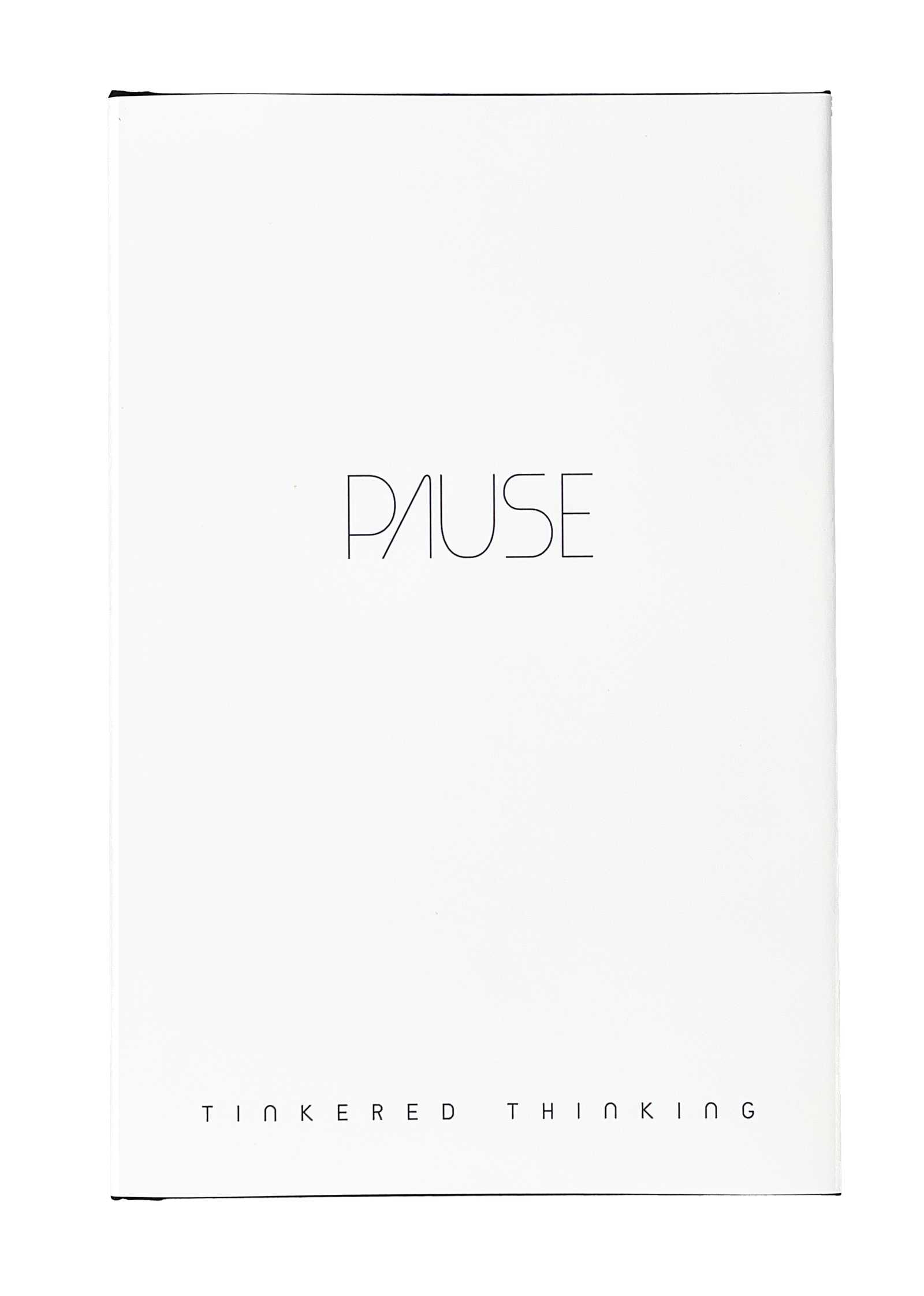
The first non-fiction book from Tinkered Thinking. PAUSE is a short book on meditation. Now available on the Tinkered Thinking Bookstore.
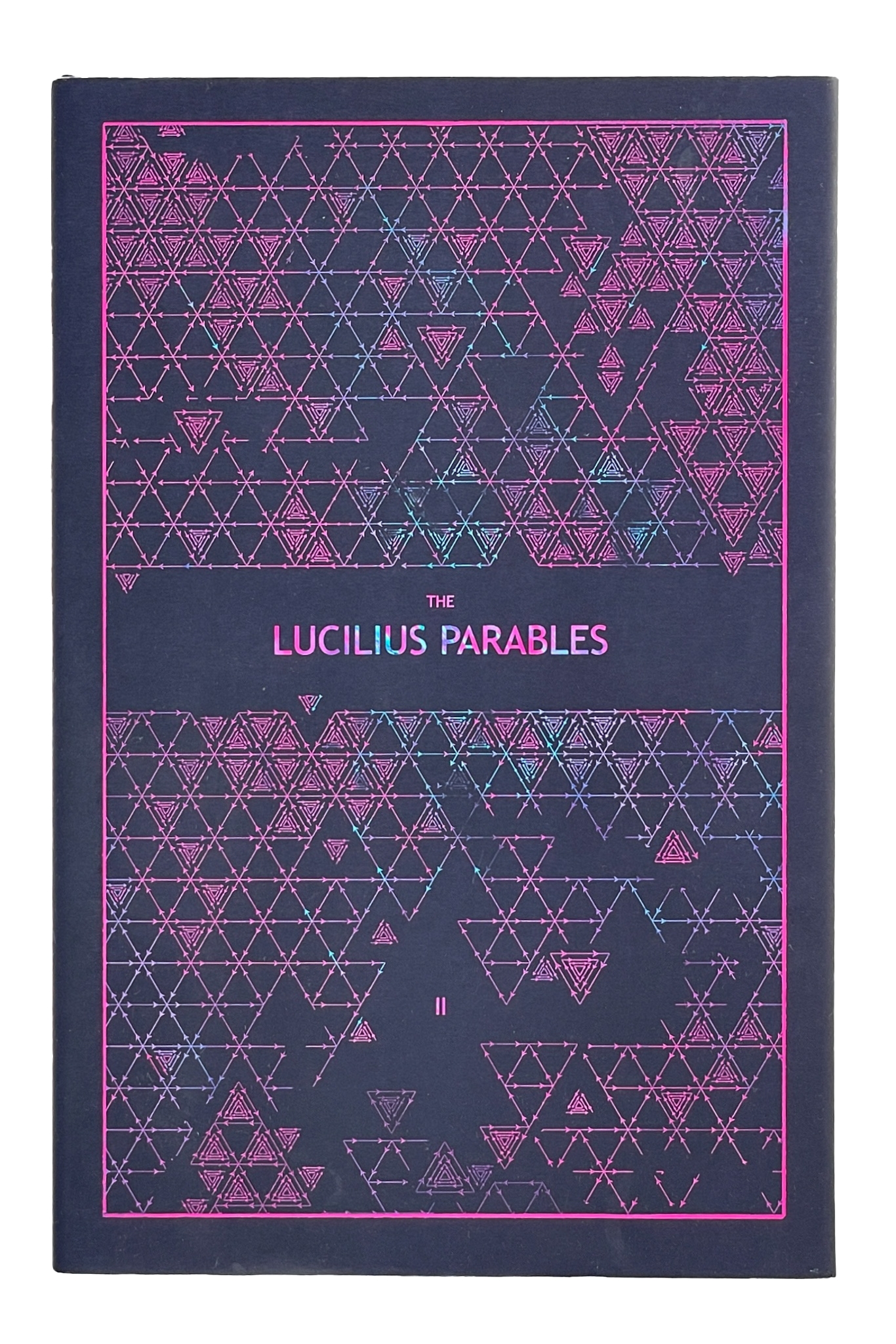
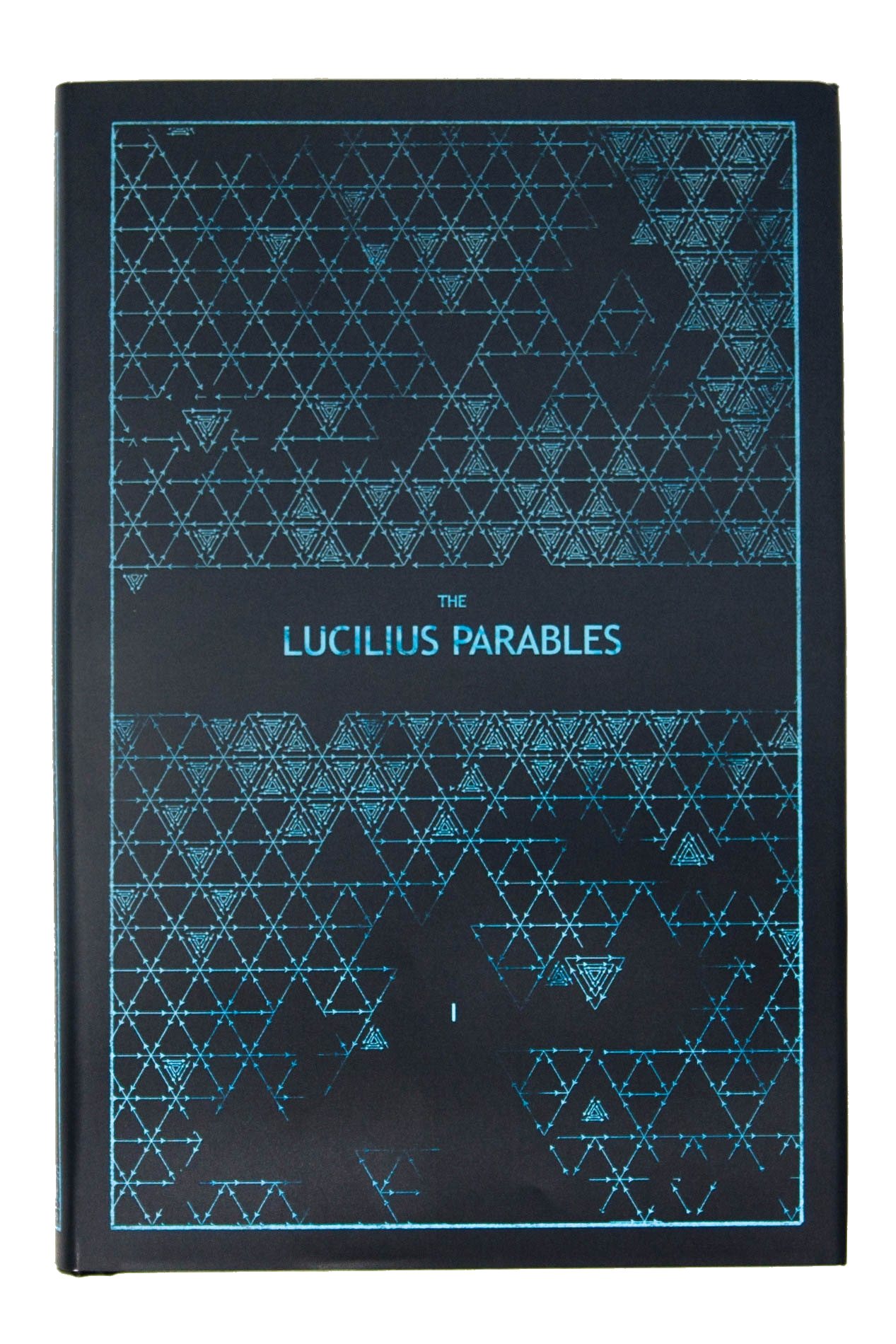
The SECOND illustrated book from Tinkered Thinking is now available!

SPIN CHESS
A Chess app from Tinkered Thinking featuring a variant of chess that bridges all skill levels!

REPAUSE
A meditation app is forthcoming. Stay Tuned.




SUNK-COST
May 28th, 2018
Sunk-costs can have terrible ramifications.
The sunk-cost of time, effort, and money, can keep people in terrible marriages, holding on to failing businesses, even researching pointless scientific inquiries.
Generally the sunk-cost is spoken of in negative terms.
But it is a simple aspect of human psychology that is neither good nor bad.
(That we unconsciously default to focusing on the negative is simply an unfortunate aspect of human psychology. But it can be trained to be otherwise.)
Sunk-costs can be used for good.
Buying a year’s membership to a gym is generally going to cost a fair amount of money. That sunk-cost can be a motivating factor when it comes to the difficult beginning portion of starting a new habit or set of habits geared towards fitness and health.
So many want the perfect free meditation app. But paying for a meditation app gives it a much highlighted presence in one’s mind when compared to the free apps that we can weigh our phones down with. The sunk-cost makes us more likely to actually use it. To Commit.
Money is a form of belief. It is an abstract agreement that we have with one another.
(always interesting to think about someone with good credit. What does the word ‘credit’ even mean? It comes from the French and Latin, meaning ‘belief’. Having good credit simply means that people can believe you will come through on your financial promises. That is what a credit card is: a promise card. A promise that you will pay. Eventually. And if you don't come through on that promise, that promise card starts declining. It's a signal that you are not to be believed in, not to be trusted. THAT is why it is so embarrassing when a card declines, and why people are soooo quick to furnish a reason why it is not working. We understand this unconsciously, but consciously using money with a thoughtful understanding of it's abstract nature can yield us benefits beyond the material.)
Money can be an agreement we have with ourselves.
Pay for the membership. Pay for the app.
Committing the money commits one more part of your brain.
The more parts of the brain that are devoted to the change, the more likely it will stick.
If you can’t commit the money, then do you really believe in yourself?
LEVEL-UP
May 27th, 2018
In school, barely passing means you level-up.
In life, you have to go above-and-beyond in order to ‘level-up’.
That’s a huge disconnect.
Conditioning young humans for years and years that just passing will get you to the next level is seriously undermining their understanding of how life will work in their future.
12 years of this bullshit is a very hard mental construct to escape. That’s a bad habit cross-bred with a very reliable and reoccurring process that easily creates expectation. No wonder reality is so daunting for so many after the cute orderly structure of school ends.
Video games are much better. You don’t get to level-up until you destroy a fucking boss.
Who’s the boss now?
Oh hey, that sounds like real-world talk..
School doesn’t have bosses to battle against over and over until you’ve gotten good enough to…
After school, the bosses are not obvious. They certainly are not properly defined with due dates and grades. Becoming physically fit, controlling emotions, setting goals. Life’s ‘bosses’ are of all shades and kinds, many of them have been paired to us for a long time. Quiet bosses that secretly guard us from better, more fulfilling lives.
Sometimes, you have to invent a boss to beat in order to…
Level-up.
COCKY
May 26th, 2018
This episode references episode 38: Confidence 2.0
Just as hope shares one side of an easily flipped coin with expectation,
Confidence shares one side of another coin flipped with equal ease.
If Confidence 2.0* is the ability to navigate through the world to a hoped-for destination successfully... (based on a mental map that is ever growing, fine-tuning, and becoming more precise and accurate through trial and error..) –
Then cocky is an expectation that one absolutely will arrive at such a destination.
This is not confidence. This is an abandonment of agility, flexibility and curiosity and a desperate grasp for certainty.
It is a coping-mechanism in the face of vast uncertainty.
Cocky is sibling to expectation. Just as Confidence 2.0* is a sibling to Hope.
There exists a subtle divide between these sets of siblings.
FEAR is the motivating factor that turns healthy hope and confidence 2.0* into disappointment-bound expectation and boomeranging-karma cockiness.
The root of the word ‘humble’ is ground.
In a sense, to be humble is to remain grounded.
If there is one certain thing about the future, it’s that it is uncertain.
To remain grounded is to hold this fact squarely in mind.
To do so means facing the inherent fear of that fact squarely in the face.
Not to retreat with a coping mechanism.
Cockiness and expectation are attempts to leap-frog the hard work and land in a safe place. But cockiness usually results in getting knocked down a few pegs. And Expectation incubates impending disappointment.
The safer place is through the hard work:
The hard work is facing a fear of uncertainty, developing an agile, powerful curiosity, and interpreting ‘failure’ with humor through humility.
It is ridiculous to think we know what is going to happen.
That being said,
It is not ridiculous to think we can make something happen.
*See the post of July 23rd entitled Confidence 2.0
A PRISON CELL NAMED COMFORT
May 25th, 2018
What would you do if fear didn’t exist?
What would you do if pain wasn’t a thing?
Those with chronic pain get used to it. Those with courage feel fear but simply respond to it differently.
If we can get used to pain, and we can change our reaction to fear: Might we do those things we dream of if fear did not hold us back, if pain wasn’t an issue?
It works the other way.
Those who have it easy get used to it: and then everything becomes difficult. Those who have nothing to fear begin to fear everything.
Luxury becomes just as much a prison.
How free can we become by opening ourselves up to just a little more pain, pushing the boundary of that fear just a little further?
THE RESOURCES
May 24th, 2018
The perfect conditions will never arise.
The ideal plan will never form.
The resources are limited.
We must do what we can with what resources we have.
We must edit the plan as we go, as per the resources we have.
The only condition is now, and that condition only changes as we edit the plan by taking action with the resources we have.
Don’t wait for the perfect condition. Create it.
Don’t tinker the plan too much. Just start it.
Don’t make excuses because the resources aren’t available.
We already have the two most valuable resources:
A brain + time.
These two resources are responsible for all the conditions of others you might admire, all the imperfect plans that got someone somewhere, for all other resources, period. Indeed they are the only two true resources.
Because,
A resource without a brain to figure out what to do with it, is, useless.
To be resourceful, is indeed, the ability to see resources where others see nothing and to see obvious resources in new ways.
The greatest attribute of the first resource, our brain: it can change it's self and become MORE resourceful. A resource that can edit it's own resourcefulness.
Time to MacGuyver your brain.