-compressed.jpg)
Daily, snackable writings to spur changes in thinking.
Building a blueprint for a better brain by tinkering with the code.
subscribe
rss Feeds
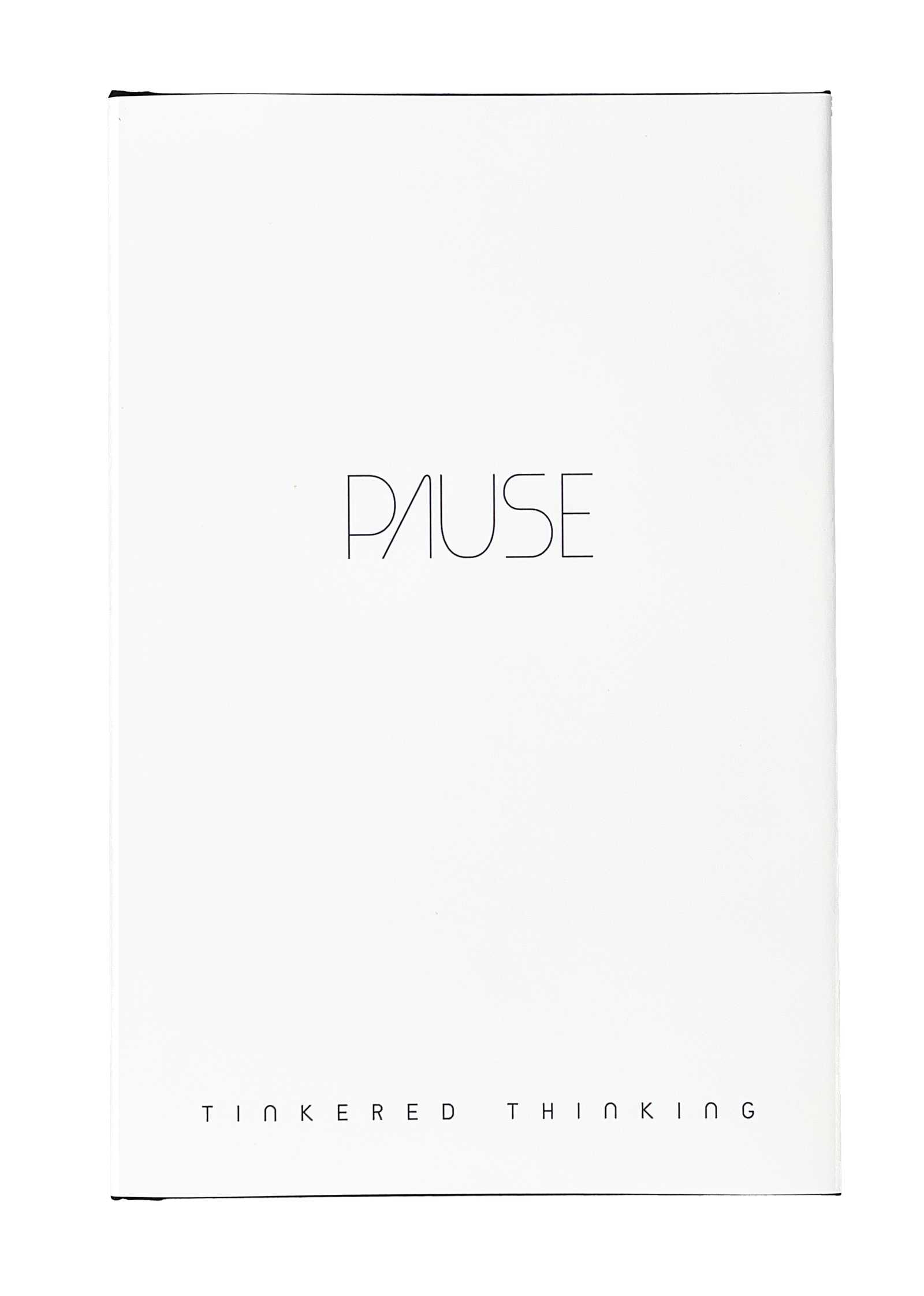
The first non-fiction book from Tinkered Thinking. PAUSE is a short book on meditation. Now available on the Tinkered Thinking Bookstore.


The SECOND illustrated book from Tinkered Thinking is now available!

SPIN CHESS
A Chess app from Tinkered Thinking featuring a variant of chess that bridges all skill levels!

REPAUSE
A meditation app is forthcoming. Stay Tuned.




THE SELFISH PARADOX
May 13th, 2018
When aboard an airplane, we are told: place the mask on yourself before you turn to aid others.
This even extends to your own children!
And yet how many use the reason of others, of children, spouses, friends, needy strangers, coworkers and the demands of a boss to ignore what we need first, foremost and before spreading whatever generosity we can?
It is difficult, emotionally, and even counter-intuitive, to sacrifice the loud obvious need of someone else in order to tend to the needs of one’s own.
But a well rested mind. Good nutrition and exercise. All of these things that may feel selfish in the short term are long term benefits in our quest to be of good use to others.
Helping someone else at the detriment of one’s self is a zero-sum game.
We want a non-zero sum game. Meaning that both benefit when all is said and done. We want both ourselves and others to be in a better position after all is said and done.
The issue is often a problem of order. ‘Placing others before one’s self’ is often taken too literally, with nothing left over for one’s self.
Putting our most important needs first is not selfish.
It generates a greater ability to aid those around us.
By serving ourselves first, we can be of greater benefit to those we love and care for.
Notice the precarious balance here. So easy is it that this might slip into down right selfishness. The bad kind.
Best to err on the side of caution? Just throw our needs out the window in favor of tending to those of others, so that when all is said and done, we might play the martyr card. This outcome might broadcast as a noble one, but it’s still not the outcome we genuinely wish for.
Best to walk the harder path, that tightrope: with abject selfishness on one side and abject selflessness on the other.
We must take a bite of the bread first, so we might walk the extra mile down the line, where even more hungry people wait.

TWO WRONGS DON'T MAKE A RIGHT, MANY DO
May 12th, 2018
How many times have you been wrong?
During your whole life. And not just the obvious basics like the answer to that third calculus problem on the final in High school. How many times have you been wrong regarding anything?
Placing that left foot the first time you tried to walk? Fumbling the sound when you tried to say ‘Mom’ for the first time. (or the 1,000th time) The pronunciation of the word “whale” when you first tried to read it. . .
Is a big reason that little kids are cute because of how they fail? Without shame. Without embarrassment. With total willingness. How cute. Complete abandon, completely relaxed. . . No fucks given.
Do we laugh and smile because they are cute?
Or do we laugh and smile out of embarrassment for ourselves? That we have lost that ability? To experiment shamelessly. To try and understand the world without guilt, without embarrassment?
How much could be learned from what has been forgotten?
So often we should bolster more confidence when we feel fear. So often we should assume humility when we feel confidence.
What can we learn from kids?
This: You’re not going to get it right. Not until you’ve done it wrong many –probably, many, many times.
So go ahead. Make a mistake.
It just might turn out to be the right thing to do.
It’ll be cute.
ME-TIME
May 11th, 2018
Compare:
The café goer, just settling in, holding a nice hot cup of coffee still steaming, laptop just getting propped open, or book thumbed open to a page, or just watching people come and go. Smiling.
The barista. In the same place. Steaming some milk that will definitely take a good 25-30 seconds, stressing about all the other orders that need to be made after. Aggravated that nothing else can be done during that 25-30 seconds, except holding the stupid froth tin.
They are in the same place. Strange how a place of leisure can be so stressful.
During that short time, nothing can be done about the impending orders. So why think about them? In that moment, the barista is just a person, in a nice coffee shop, holding a hot cup.
It’s a missed opportunity for me-time.
We cannot control the slings and arrows that come our way.
We can control how we look at them.
We can control how they affect us.
This morning as I waited for my coffee in a busy café, I noticed all the stressed workers, taking orders, running food, taking cash, scurrying from ingredient to ingredient. Wide-eyes and taut voices.
And then.
A barista, steaming some milk. Quietly smiling to herself.
Perhaps she was thinking about a great date she’d had the night before.
Perhaps she’d just reached a goal.
Perhaps an old friend had just reached out to tell her how much she was missed.
Or.
Maybe. Unlike her co-workers,
She was enjoying the simple fact that she is in control of how the things around her affect her. And at it’s most basic: she was just enjoying some time, in a nice café, holding a hot steaming cup. Smiling.
PREACHER VS. TEACHER VS. PARTY-MAKER
May 10th, 2018
A preacher talks at you with good intention and the hope that you will change for the better.
A teacher gives you the reasons and methodology as to why and how you should change.
A party-maker lives the change, makes others envious of the fun, and they join on their own.
(FOMO can be used for good.)
Which is best when you wish to see a loved one make a change in their life? The Preacher? The Teacher?
or
the Party-Maker?
HOPE GROWS FOOLISH WITH NO DOING
May 9th, 2018
It’s one thing to think about it. Talk about it. Debate about it.
But without action.
You get no real feedback.
Feedback that will tell you what’s wrong with your thinking, talking, debating.
Taking action is like poking reality.
You’ll get a reaction. (Even no reaction is an important kind of feedback.)
Reality will poke back.
If you’re quiet, and push aside all those bungling emotions for a moment. You might just see what reality is telling you. How the thinking can be tweaked. How one side of the debate maybe had a better point.
Maybe it’ll help you waste less time with all that thinking, talking & wondering, by showing you:
It wasn’t something worth hoping for in the first place.
Or maybe that hope will start taking shape as something real.
Either way.
You’ll save time by cutting out all that extra thinking, talking, hashing-it-out, etc. that would have kept going on endlessly…
had you not acted.