-compressed.jpg)
Daily, snackable writings to spur changes in thinking.
Building a blueprint for a better brain by tinkering with the code.
subscribe
rss Feeds
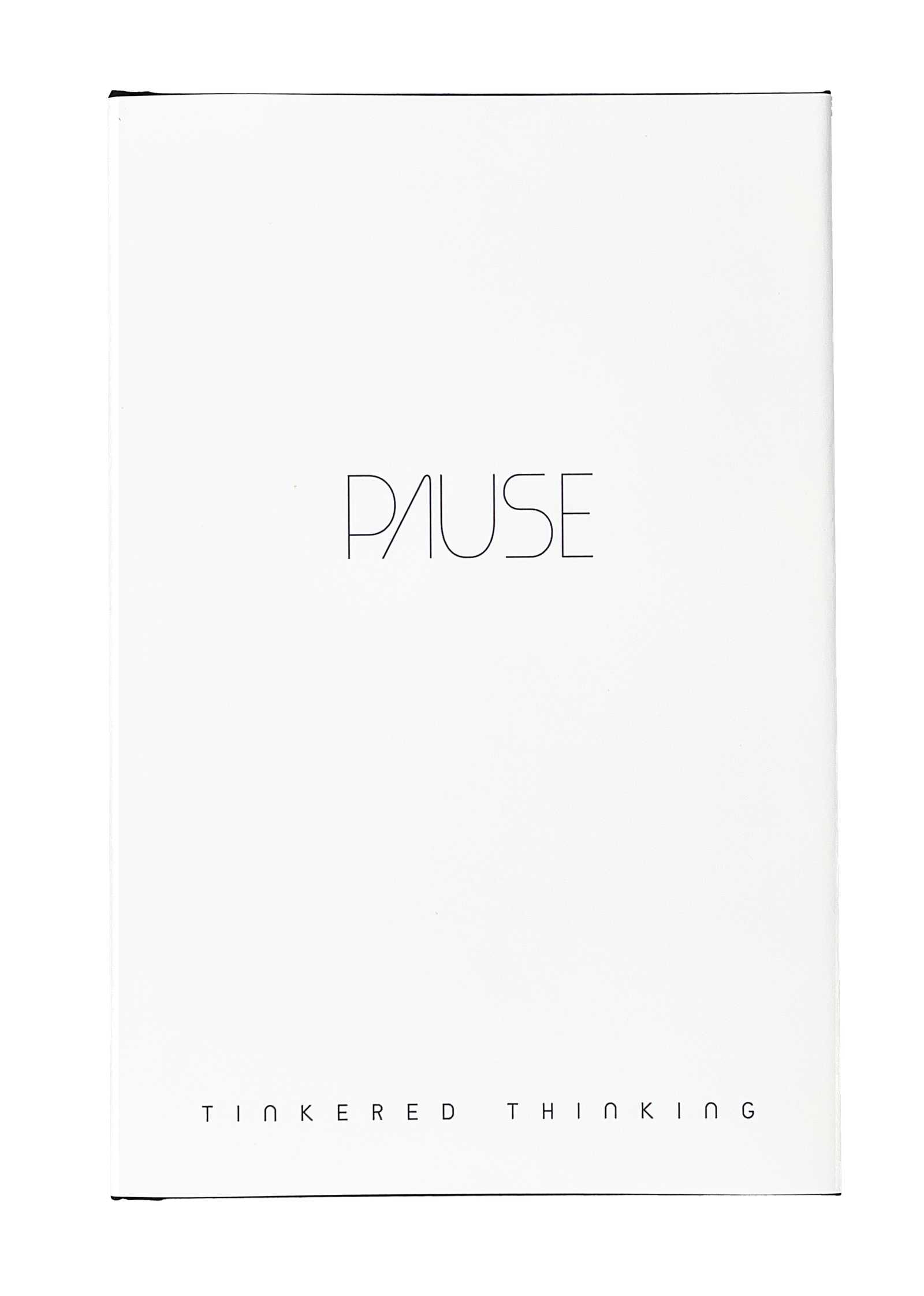
The first non-fiction book from Tinkered Thinking. PAUSE is a short book on meditation. Now available on the Tinkered Thinking Bookstore.
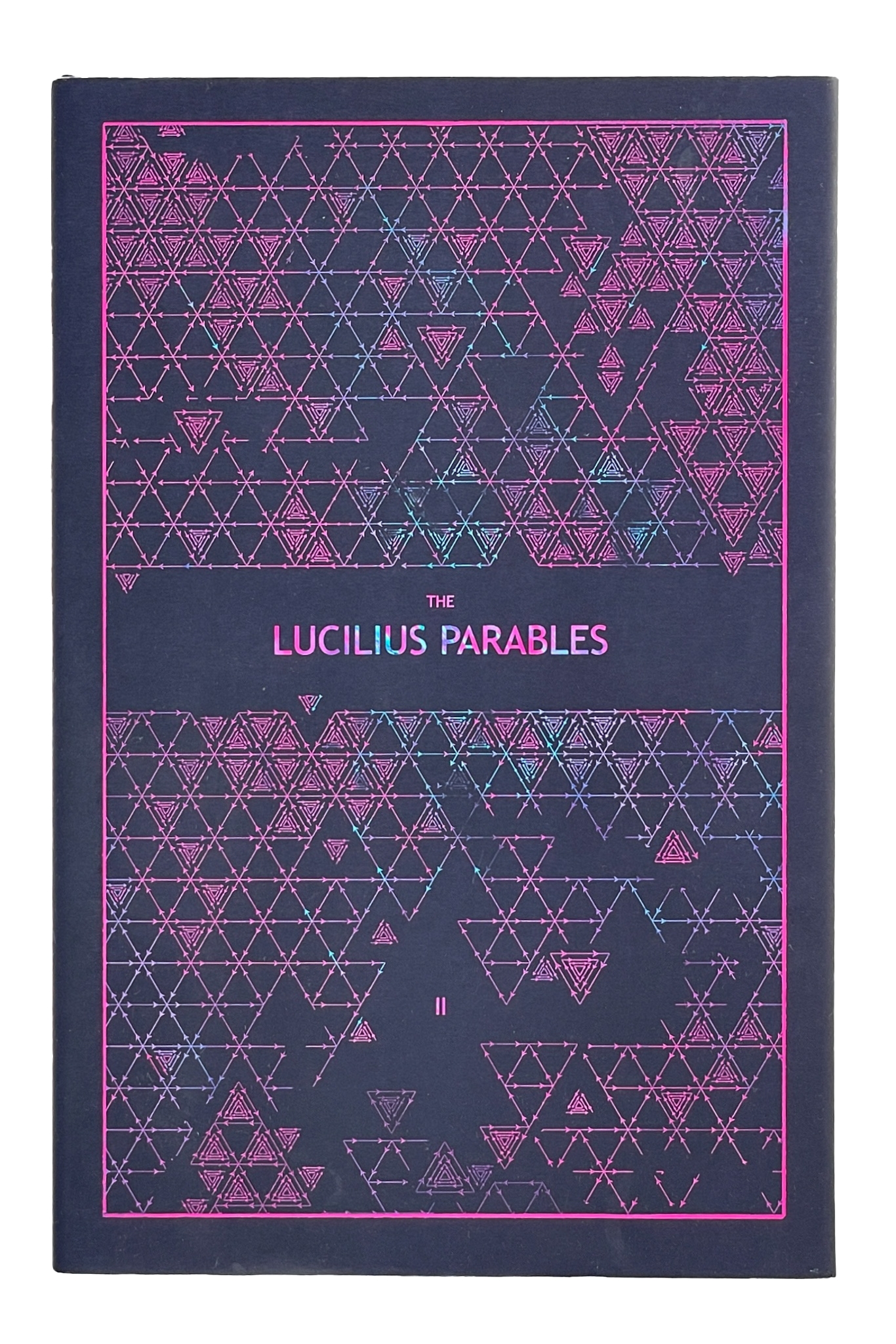
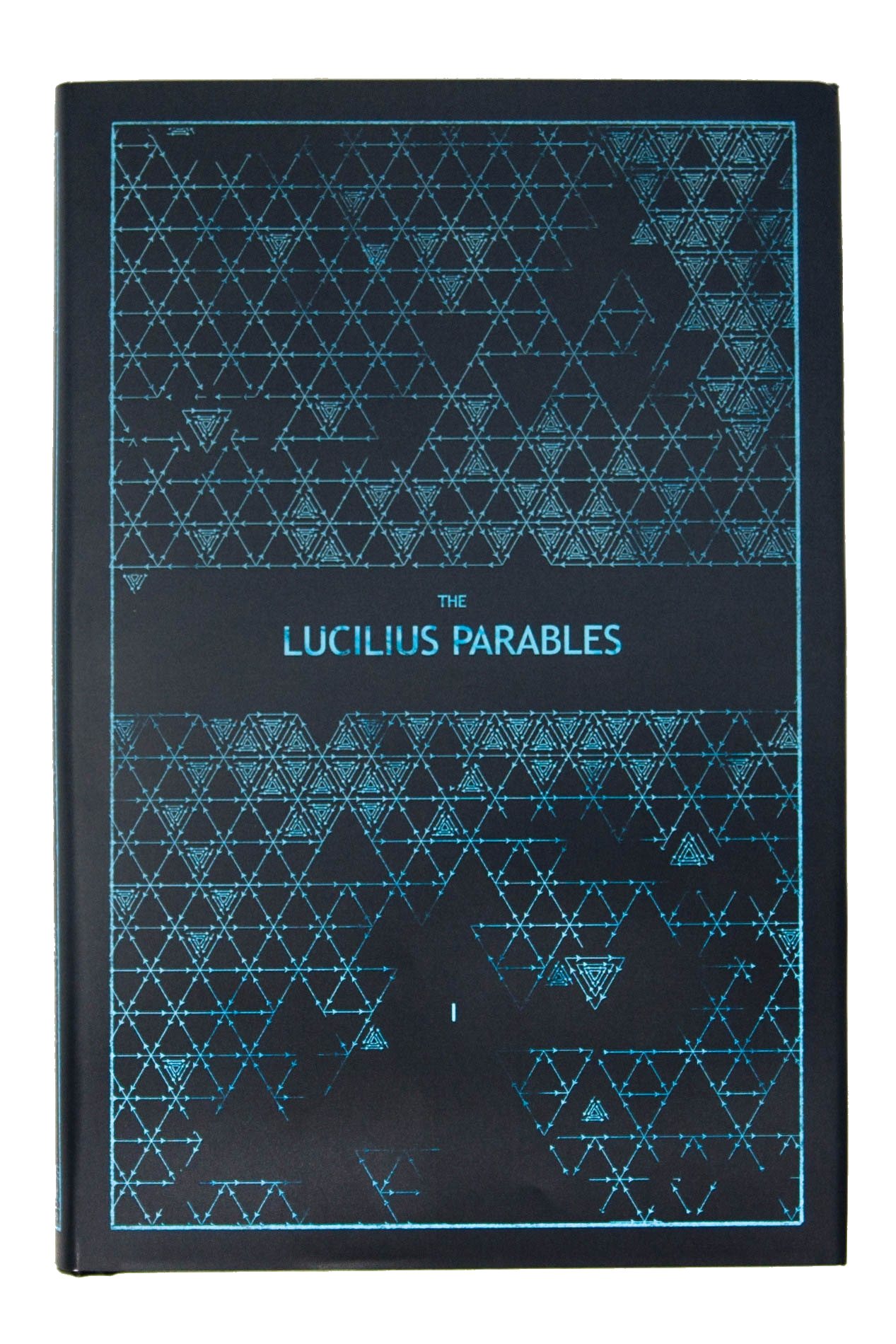
The SECOND illustrated book from Tinkered Thinking is now available!

SPIN CHESS
A Chess app from Tinkered Thinking featuring a variant of chess that bridges all skill levels!
REPAUSE
A meditation app is forthcoming. Stay Tuned.




COMPASS
June 11th, 2018
What path must we take to gain a greater sense of fulfillment in life?
What is the indicator that points, and says: this thing, this way, that’s the right direction.
How do we suss out all the internal noise of thoughts and feelings to figure out which way we should go, which goal we should pursue, which path to take?
The answer is fear.
What ever dreams we have that inspire a sense of fear when we actually give some thought to the first step towards that dream. This fear is our compass.
Like approaching a crush in highschool.
Like walking up on stage to begin the audition.
These experiences are fraught with fear and trepidation.
What is most important to realize about this odd compass is that top performers are not devoid of fear. Top performers experience the emotion of fear just like everyone else. The difference is the way top performers react to fear. Top performers use the fear. Like a compass, to direct and sharpen resolve.
The root of this fear is an uncertainty about the outcome of our actions.
Will we succeed?
Will we stumble, fall and embarrass ourselves?
Perhaps.
And when we do stumble, and when they laugh, that fear only grows larger.
To submit to fear is to misunderstand.
The fear grows larger like a dare.
I dare you to do it.
I dare you to try again.
I double-dare you.
We intuit the usefulness of fear socially in this context. Somehow in a social context, fear via daring someone, is motivating.
But in the privacy of our own mind, the usefulness of fear is lost.
We cripple ourselves instead of using fear properly as an agent of motivation.
If we can pause. If we can be mindful of the fear. Recognize the fear is not actually connected to anything truly dangerous. Then we can use that fear.
We can choose to embody that fear. Like a best friend who knows you want to make the jump. Who knows you will make the jump.
We can embody the fear and usurp it’s rhetoric against ourselves.
When we are about to try. About to attempt. About to take a chance.
And fear rises to meet us.
We can recognize it as our compass, as a responsibility. Take it’s cue as our turn to dare and taunt the angels of our weaker selves.
Come on scaredy cat, I dare you.
I double-dare you.
BORROWED DIRECTIONS
June 10th, 2018
Someone calls us up on the phone and asks for directions.
Do we start rattling off directions?
No.
We ask questions.
Where are you?
What landmarks do you see?
How did you get there?
What did you see on your way to this place?
Can you give me more details?
Only by asking the right questions can we understand where someone is. Only when we truly understand where someone is can we than even start to be helpful by giving some directions that might lead to a better place.
How often do we dish out advice before truly understanding where someone is?
WATER DROPS
June 9th, 2018
When it comes to changing the way we think, and subsequently the way we behave, our tool kit does not comprise of screwdrivers, nor saws, hammers, nails, bricks, mortar, nor I-beams, 3D-printers. . .
We have none of these useful tools. To cut away bad parts. To bolt a good practice on to ourselves. The world of drugs tries to make this promise: that a pill can work like a hammer and a saw, cutting away the bad and allowing the good to flow. But rarely does a short-term solution result in long-term results.
For long term results, we must work with the only tool we have.
Changing thoughts and behaviors is like shaping stone with an eyedropper.
Sounds ridiculous and impossible.
But we marvel at stone sculpted by the sea.
We marvel at the dented sidewalk beneath the rain gutter.
We travel from around the world to see what a river has done in Arizona, Utah and Nevada.
The drop of water is not powerful alone.
The power resides in consistency.
Enough drops of water, and we can drill through stone.
With enough consistency we can split continents of the mind,
sculpt the mind,
slowly, methodically, consistently.
THE WELL-OILED ZOOM
June 8th, 2018
Zooming in blows the subject up, exaggerates everything, and allows us to study and learn the details
or… be mislead by meaningless details.
If we are zoomed in on a shadow for long enough, we can make the mistake of thinking it’s night - that everything is just darkness.
Zooming out allows us to ‘see the big picture’. Often this is what is needed when we are full steam ahead down an unproductive rabbit hole. If we are too focused, a dead-end crash is usually the only thing that makes us stop, zoom out and consider.
But staying zoomed out has similar trappings. When someone ‘has their head in the clouds.’ A dreamer, as the term is sometimes applied. Someone who is stuck considering the big things, but never zooms into what can be done now. Indeed, what should be done now. Only considering the zoomed out perspective is to be paralyzed.
Each perspective has its benefits.
Each its trappings.
The key is to recognize that the trappings of one perspective are solved by the other perspective.
The trappings cancel each other out and the benefits compound.
But only if both perspectives are used.
This means zooming out on a regular basis and then zooming back in to the tasks of the day.
Like an explorer who surveys the land from a high vantage point. Studies the broad outline of the land and then decides on a specific plan through that large picture. Then, the explorer focuses on the step in front and the path immediately leading. If the details of the path become too convoluted. If the sun disappears behind an overcast sky, the explorer needs to refresh the perspective and climb a tall tree or mount a high outcropping.
Remember though, the explorer won’t get anywhere just sitting and admiring the view.
Admiring a beautiful view for too long can even be fatal.
A wolf might not attack your starving self, but time will pass you by – a different kind of fatal.
Best to keep moving.
But don’t forget to exercise that
zoom.
THERE IS NO TRY
June 7th, 2018
At the beginning of any undertaking, before any action has been taken, the most important, vital ingredient to success is formed: our perspective towards the undertaking.
It may seem cocky to declare that we will DO something we have never achieved before.
It may seem more wise to try a new undertaking instead.
If certainty is a dangerous trap, should we not be cautious and tentative about new undertakings?
The answer is more nuanced than the dichotomy of do & try suggests.
We cannot be certain about the outcome of our efforts.
But we can be certain about the authenticity, intensity and consistency of our efforts.
Reality is not fully under our control, but the nature of our actions is under our control.
To approach reality with any kind of certainty about what will happen or how reality will react to our efforts is bound to disappoint and cripple confidence. Reality just has far too much information for us to fully integrate in a way that allows us to manipulate it to desired outcomes every single time.
The difference between doing and trying has nothing to do with the outcome of anything we undertake.
They are perspectives about our effort.
To try something inevitably contains a focus on failure. Inherent in the word is a big comfy space for imagined failure to inhabit. In some sense, this makes failure our focus. And in so doing, our efforts are more likely to fail.
Or rather:
when the efforts of trying result in failure, we are more likely to cease trying because the ‘failure’ is a confirmation of our original perspective.
The conceptual picture is complete, the story has come full circle.
To try, is to expect failure. This becomes a self-fulfilling prophecy. It is also a self-reinforcing delusion because it perpetuates a consistent idea of one’s self that is only accurate within it’s own framework. Any success no matter how tiny is proof that this framework is flawed because it demonstrates that something exists outside of it’s framework. Meaning: if we can change the way we frame events, actions, efforts & undertakings, it changes the outcome.
To do, is a perspective that anticipates something beyond failure. To do is a perspective that allows one to imagine changes in the course of action in order to get closer to the desired goal.
To do is the perspective that efforts will not cease until something akin to the goal is achieved no matter how winding, varied and detoured the path to that goal. ‘Failures’ are simply unexpected detours and bumps in the road.
To do is a commitment to our effort, no matter how feeble our ability, how lacking our knowledge, or how daunting the obstacle.
Ability can be developed with practice.
Knowledge can be gathered
Obstacles can be overcome.
A case in point: Mindfulness meditation. The practice is simple, just focus on the breath. Even after many many many sessions though, it can still seem impossible. The mind drifts off and thinks about something. Isn’t that failure? Perhaps. Does that mean it’s a waste of time?
By refocusing over and over and over - by responding properly to this ‘failure’, the practice yields incredible results over time. Even though it can easily be viewed as constant failure from moment to moment. Transcending that failure and maintaining the practice is what yields the results.
There is no try.
It’s a self-cancelling perspective. A waste of time. A philosophical dead-end. To try, fail, and stop, has exactly the same result as never attempting in the first place. Literally: Trying is not doing. Therefore try does not exist. Only:
Do, or do not.